

In Between Disciplines, Jake Tan is Designing Creative Technology for the Future
Creative technologist Jake Tan has always operated between disciplines. Now studying design engineering, the DesignSingapore (Dsg) Scholarship recipient is preparing to shape a more imaginative, resilient future.
Article by Narelle Yabuka.
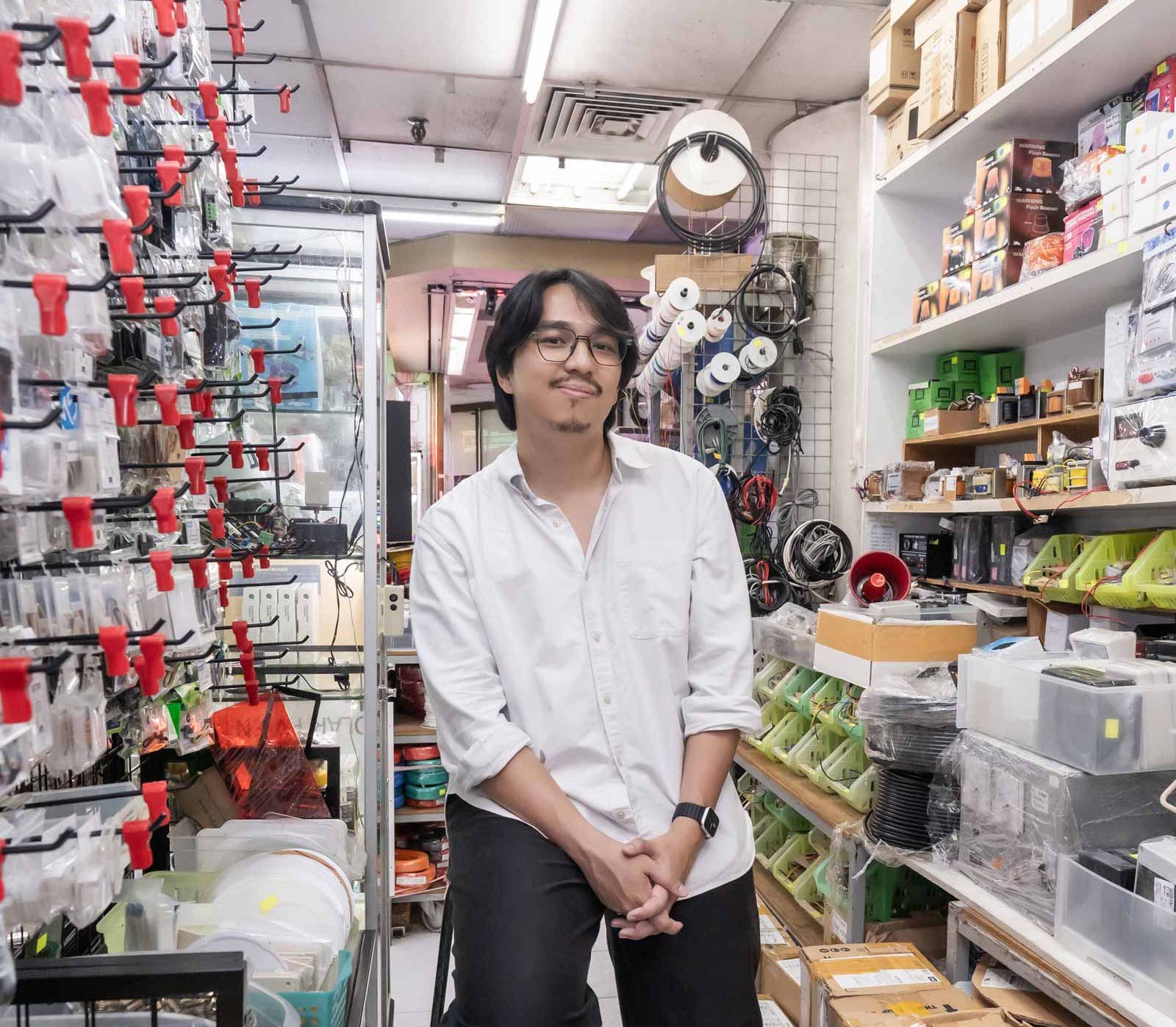
Jake Tan almost majored in film studies, but one semester into his Bachelor of Fine Arts, he realised it was storytelling, not filmmaking, that really compelled him. He pivoted to the niche field of interactive media, where, by turning his attention from characters to code, he could explore human experiences through new mediums that were quickly becoming characteristic of the present era.
Back then, in 2016, the majority of his course mates who were graduating from Nanyang Technological University (NTU) were entering the big-tech arena. For Tan, though, the appeal of interactive media lay in its ability to function as a bridge between emerging technologies and human-scale encounters.
He wanted to focus on narrative and experience, and he envisaged being able to translate the abstract technological domain into something that could be felt and understood.
Storytelling through interactive media
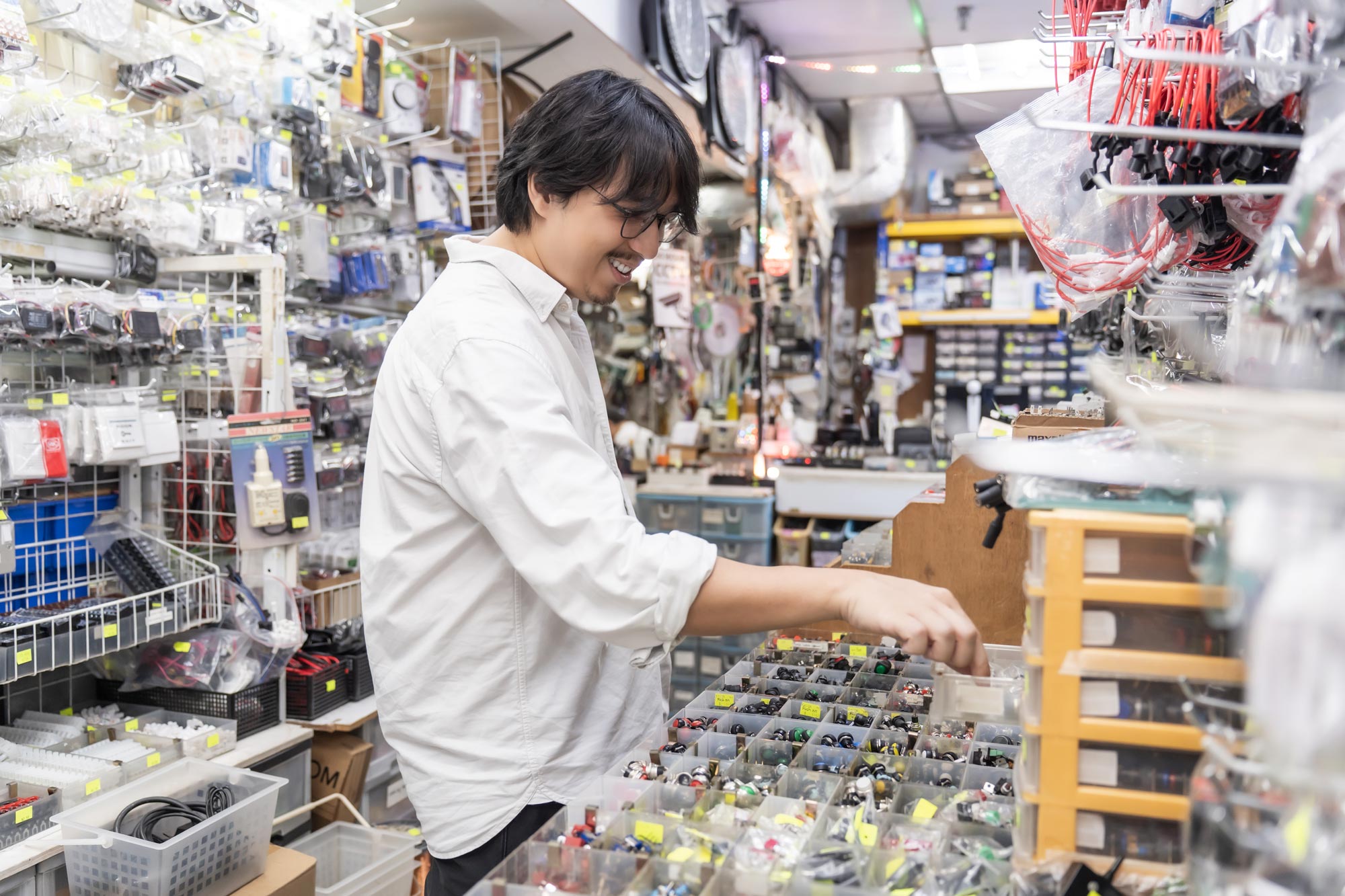
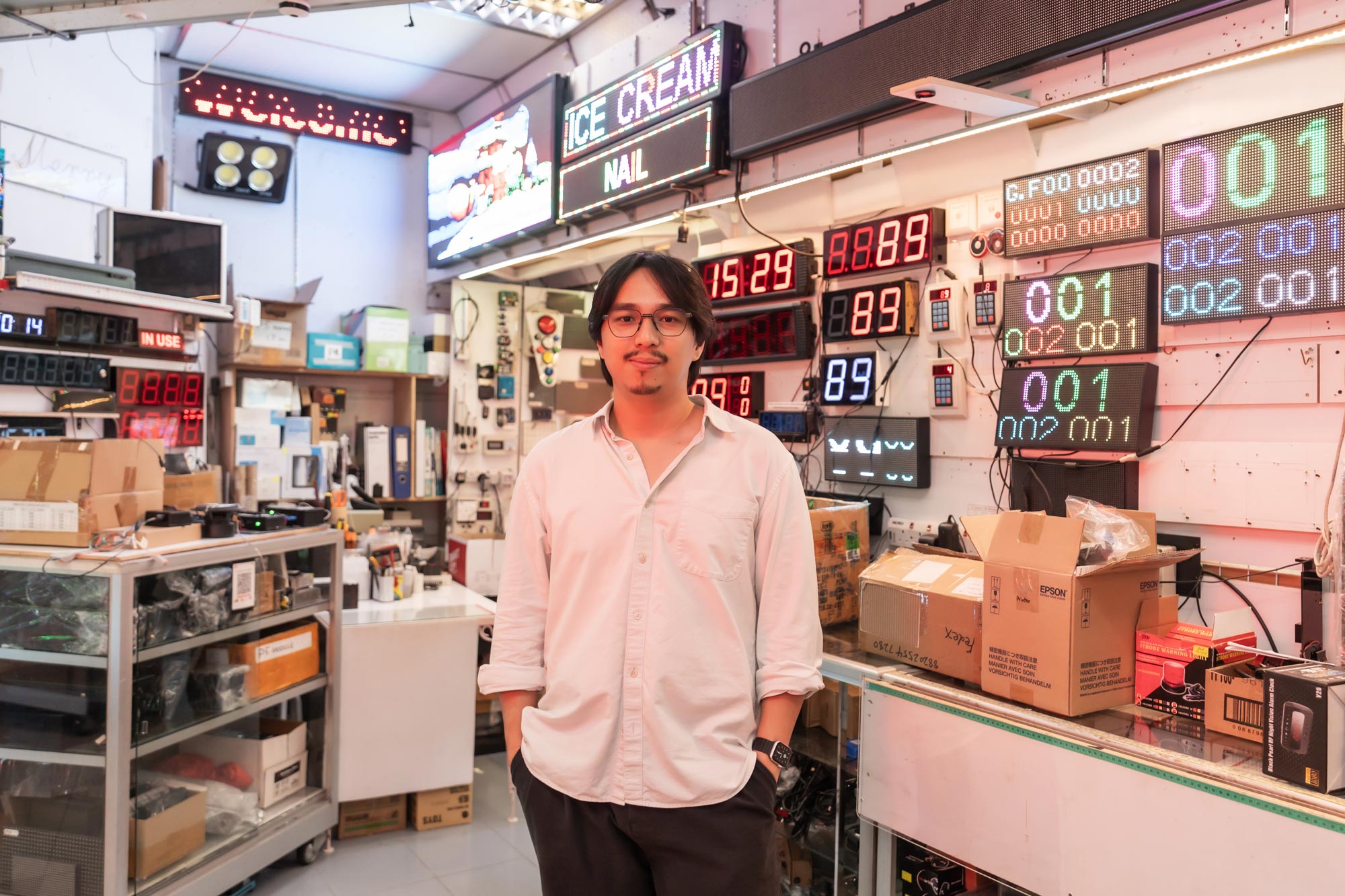
Photo by Tony Chan, Lumiere Photography.
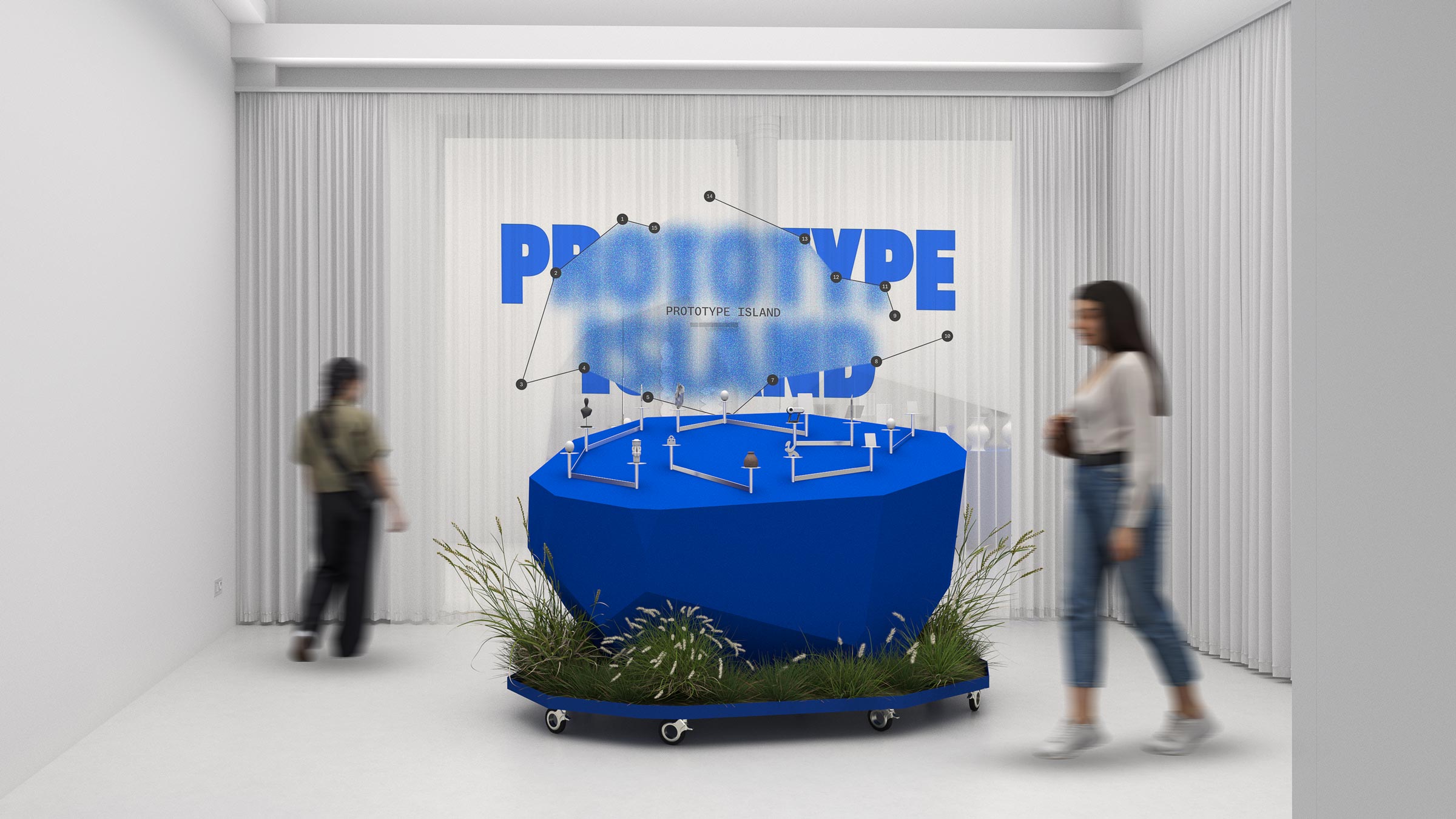
His hunch was right. He co-founded the creative technology studio SERIAL CO_ in 2019. A simple way to describe what Tan does is a sort of interdisciplinary translation between creative and technical fields. “I build interactive systems, and through them, I find a way to make technology more human for people,” he explains.
These include impactful immersive experiences Tan and his team have developed for brands and institutions, as well as forward-looking independent creative works. For them, technology is a raw material for new forms of engagement.

I call myself a creative technologist – somebody that dabbles in art, design, and technology altogether.
— Jake Tan
From project execution to systems thinking
Photo by Tony Chan, Lumiere Photography.
Though it once existed at the fringes, Singapore’s creative technology ecosystem has significantly matured in recent years. Tan suggests that its growth has been helped along by the support of Dsg through grants such as Good Design Research as well as showcases. That’s why, when it was time to take a temporary step back from the studio and upgrade his skill set, he applied for the Dsg Scholarship.
After five years of practice at SERIAL CO_, Tan was keen to explore the possibilities of speculative design – that critical process of imagining desirable futures and prototyping ways to make them real.
He selected the Master in Design Engineering at Harvard University’s Graduate School of Design to deepen his engagement with speculative and computational design, while situating creative practice within broader systems – cultural, environmental, and technological.
Speculative design is the idea of envisioning or imagineering the future. Being within the Design Engineering programme at Harvard means that I don’t just imagine that future, but I can build it with the resources and the people around me.
— Jake Tan
Collaborative design for Singapore’s future
Looking ahead, Tan hopes to contribute to Singapore by forging closer ties between creative disciplines and more technical ones, such as science. “Why science? It’s because I think there’s the opportunity to create critical domain knowledge,” explains Tan. While designers and artists are typically engaged for scientific communication, he is keen to explore the impact creative disciplines could have if they were integrated directly with scientific practices.
“Most scientists work within the academic field or a very niche industrial sector,” says Tan. “But if they expanded their peripheral vision, just slightly, to see what other industry players are doing with the same technology, a lot more value could be generated.”
Design needs to address problems that are both technical and cultural at the same time. It goes back to the idea of the bridge, or the translator.
— Jake Tan
He continues, “Technology is already integrated into many facets of science, but there’s a lot of opportunity for growth when it comes to art and design. I hope to find these entangled fates between the creative fields and the more technical fields.”
At Harvard, Tan has already worked on a group project that used biodesign and electronics to sequester heavy metals from lake water and thus mitigate their environmentally damaging effects. It’s by creating such shared spaces for collaboration and experimentation that he can see design with new eyes.
Design needn’t merely be a tool for optimisation, Tan proposes; it can be a mindset capable of shaping more accountable, humane, and imaginative futures.